

Another year, another set of beloved records turning 20 years old. Personally, it feels weird, especially as someone who was actively listening to music as a teenager at that point, to say "Happy 20th!" so these albums, but, so it goes...
But don't let these albums slip away from you like sands through the hourglass! If you've never heard these, or if it's simply been a long time since you last pressed play, we hope you will find something to enjoy in our 20 Turning 20 in 2026 feature here.
There's an eclectic mix of styles and sounds. Maybe 2006 was a weird year – who's to say, really! But even with some unfortunate omissions (deepest apologies! though we sincerely think you should go revisit albums from people like The Roots, Tim Hecker, Scott Walker, and the Knife all the same) there's a lot to dive into here, so...
Let's go!
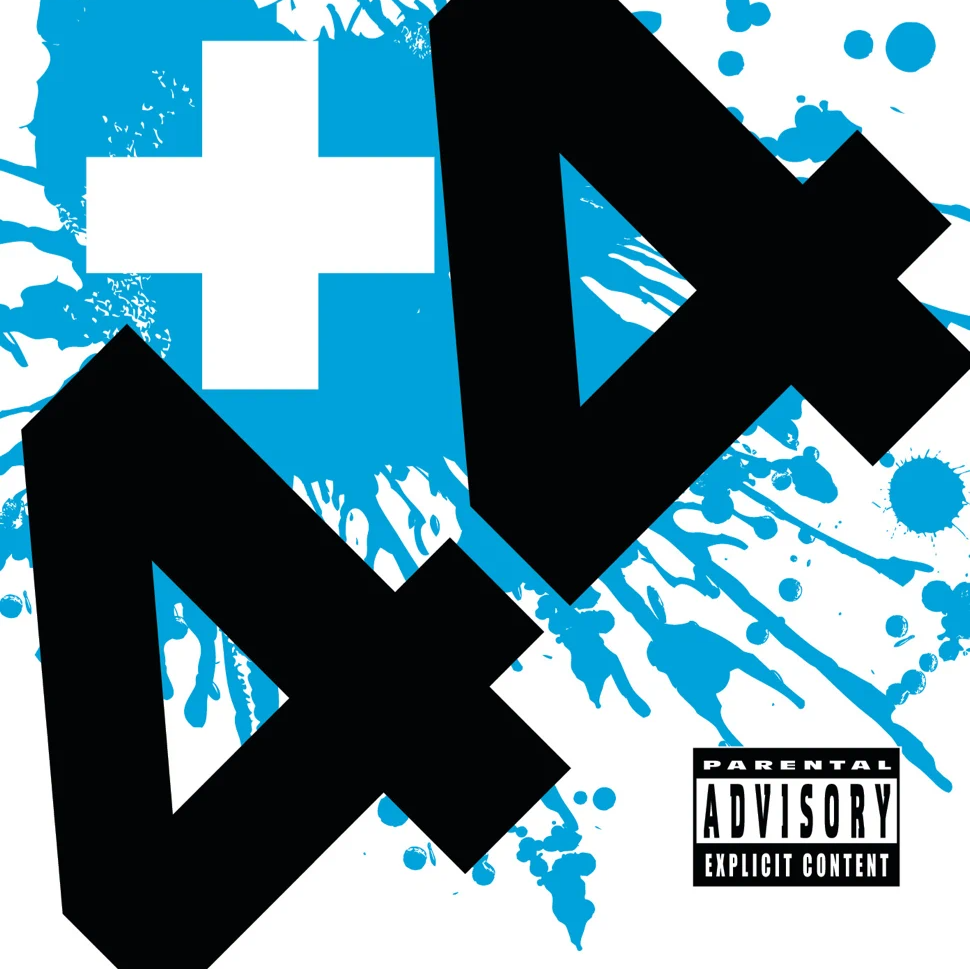
+44 — When Your Heart Stops Beating
2006 was only a year out from Tom DeLonge’s sour departure from blink-182 (for the first time). In his novel, Fahrenheit-182, Mark Hoppus writes about how truly traumatizing this era of the pop-punk group was. Cracks began to form in ‘02, when DeLonge and Travis Barker joined forces for Boxcar Racer’s self-titled album. An awkward-as-hell MTV interview showed the palpable discomfort between Hoppus and DeLonge at this time.
+44’s When Your Heart Stops Beating is a necessary layer in the Hoppus v DeLonge saga, despite Hoppus arguing otherwise. (The band was led by Hoppus and Barker, along with Shane Gallagher of the Nervous Return, and Craig Fairbaugh of Mercy Killers.) Track 10, “No, It Isn’t,” is directly aimed at DeLonge, with a title intended to duck the press’s relentless questions about the ongoing feud.
Looking back 20 years later, WYHSB is an unabashed response to Boxcar Racer, no matter how you cut it. While Tom’s side project is intentionally and notably darker in tone, WYHSB is essentially blink-182 deep cuts with more serious, thoughtful lyrics. Hits such as the titular track aside, the album delivers genuinely catchy tracks such as “155,” “Lillian,” and “Chapter 13.” Now that blink-182 is reunited again, its lyrics like “So please understand / This isn't just goodbye / This is I can't stand you” that prove how much Hoppus and DeLonge have had to overcome. — Brandon Cortez
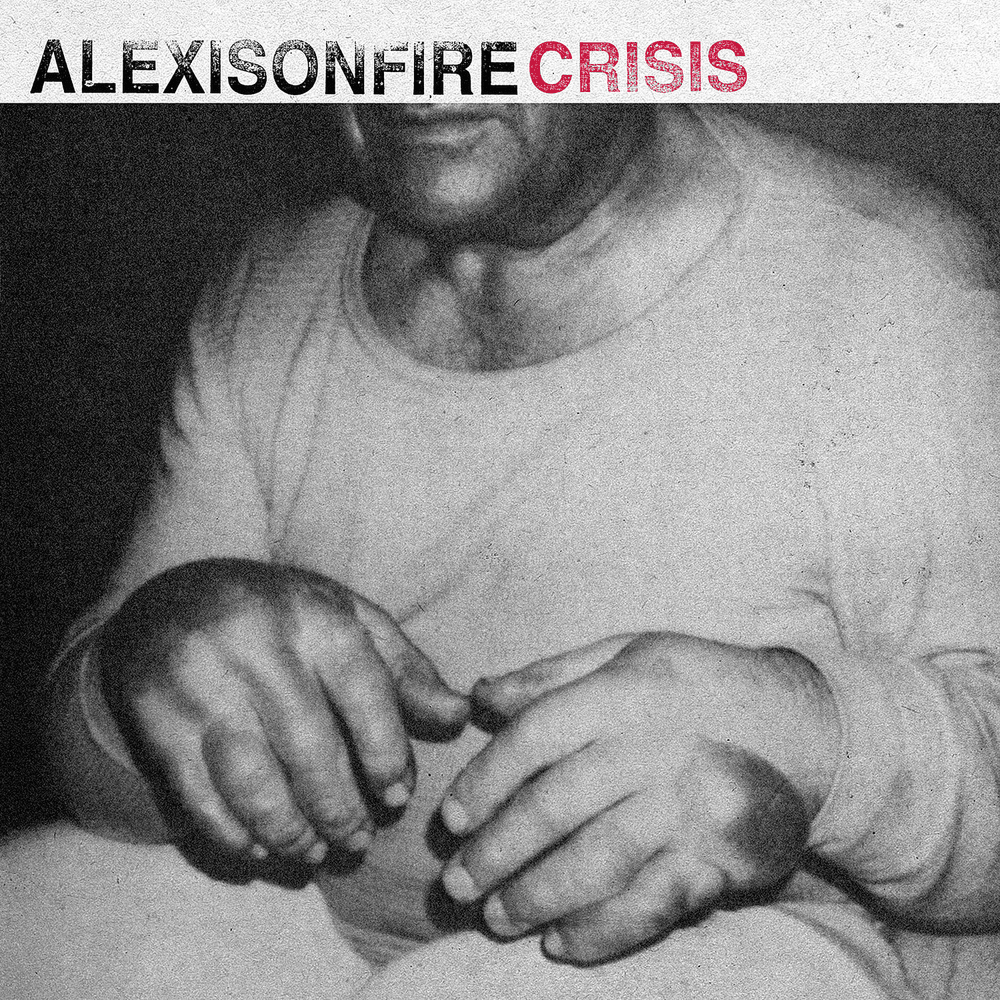
Alexisonfire — Crisis
While some albums stand the test of time, others have the power to transport you to a specific time and place. For anyone that came of age in the mid-2000s post-hardcore scene, Alexisonfire's Crisis is one of those records. Even today, throwing it on can instantly transport you back to a time when Myspace pages were carefully curated works of art.
Released in 2006, the band's third album found the Canadian powerhouses at the point where their abrasive hardcore roots, soaring melodies, and increasingly ambitious songwriting finally clicked. Crisis was heavy without being one-dimensional. Tracks like "This Could Be Anywhere in the World," "Boiled Frogs," and "Drunks, Lovers, Sinners, Saints" showcased a band becoming increasingly confident in its own ability to balance explosive guitar sounds with enormous, emotionally charged melodies. George Pettit's scream remained as visceral as ever, while Dallas Green and Wade MacNeil provided contrasting melodic voices that gave the songs an almost anthemic quality.
Two decades later, Crisis stands as one of the defining albums of the era. While plenty of records from that period now feel firmly tied to their time, Crisis has aged remarkably well. Its production may place it squarely in the mid-2000s but its songwriting and emotional intensity haven't been dulled by time. — Christian Potter
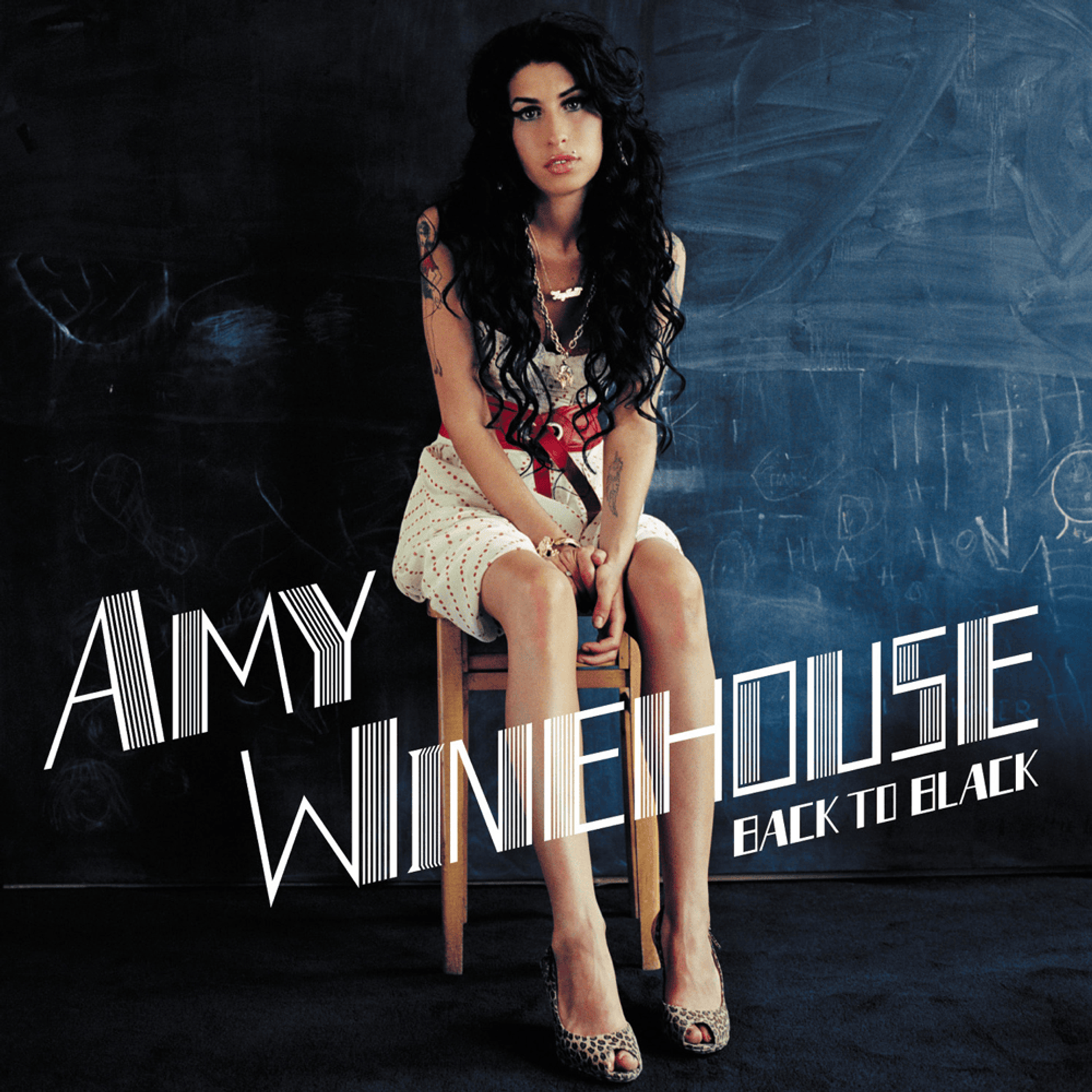
Amy Winehouse — Back to Black
Countless people have tried to recapture Back to Black’s lightning-in-a-bottle magic, including producer Mark Ronson himself, but none have quite succeeded.
Since its release, Amy Winehouse’s second and (sadly) final album has become a bonafide modern classic, with songs like “Love Is A Losing Game,” “Rehab,” and “Tears Dry On Their Own” carrying on the late singer’s legacy, being endlessly covered in dive bars and on festival stages for the past two decades. The record's retro, soulful sonic palette expertly compliments Winehouse's charmingly blunt and sarcastic lyricism.
She was in touch with herself in ways that could stop you in your tracks: "His face in my dreams seizes my guts / He floods me with dread / Soaked in soul, he swims in my eyes by the bed / Pour myself over him, moon spilling in / And I wake up alone," she testifies on the chorus of "Wake Up Alone."
It's shocking to go back and see its initial lukewarm reaction from big-name outlets like Pitchfork and Rolling Stone, but if anything, it's a testament to Winehouse's enduring influence. — Leah Bess
Arctic Monkeys — Whatever People Say I Am, That’s What I’m Not
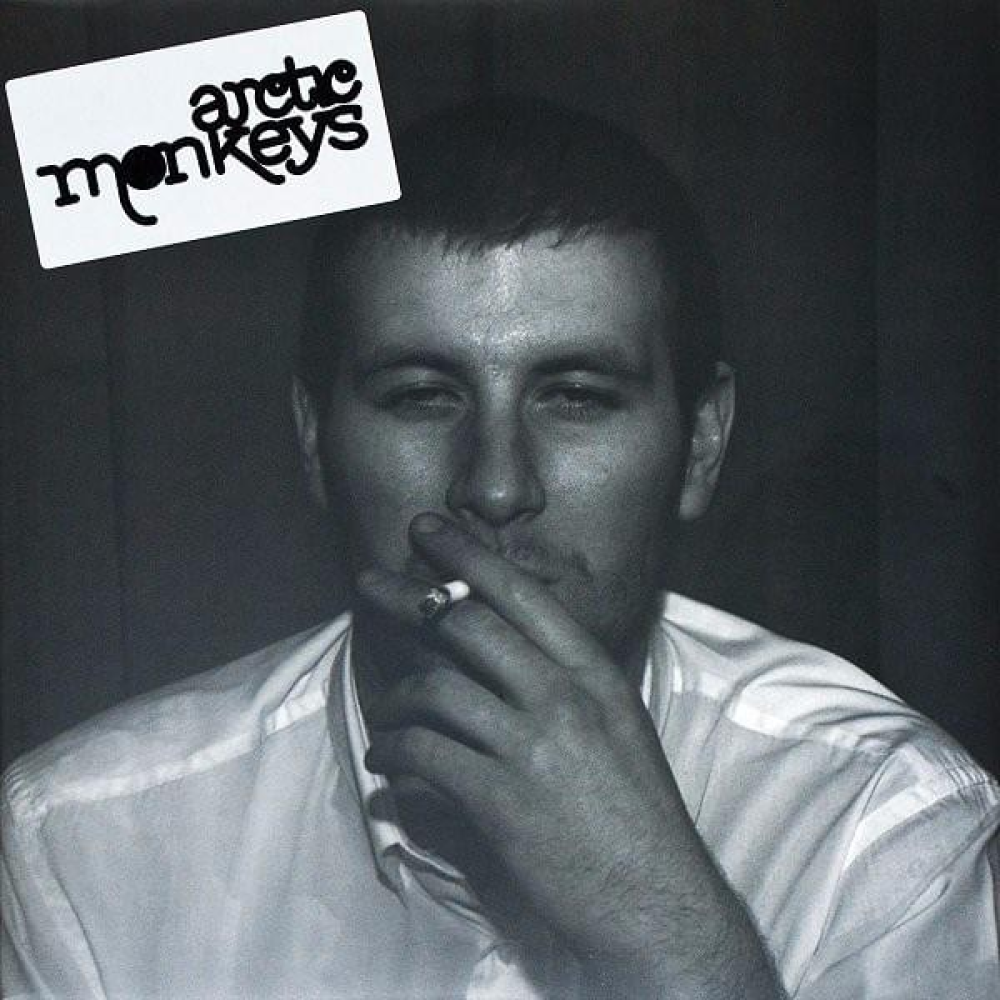
Arctic Monkeys understood that the world of music existed somewhere far away from their Sheffield suburb. If they were to make an impression, they’d have to force it. The group, founded by childhood friends Alex Turner and Matt Helders, managed to build a dedicated following mostly by capitalizing on music streaming platforms early and sharing demos over MySpace.
But, unlike a lot of internet wonders today, the alt-rock fourpiece still grunted through incessant touring (often for no money), letting word-of-mouth marketing transfer from blogs to the bars. By the time Domino signed them for their debut Whatever People Say I Am, That’s What I’m Not, they already had a catalogue of crowd pleasers memorized and sung back at them. The world could now experience the magic living in a tapped-in teenager’s computer, and they’d propel the band towards becoming one of the biggest acts in the country.
However, the relatable charm of Arctic Monkeys — a scrawny 19-year-old with acne is on TV, and he’s an absolute rock star — shone through the lens of Turner’s personal expression of power. The singer-songwriter’s relationship to access (or lack thereof) transformed him into a poetic outsider. “I ain’t got no dollar signs in my eyes / That might be a surprise,” he spat through his teeth on the sinuous “Maybe Vampires is a Bit Strong But…” Until this point, the tiny band paid for their career out of pocket, and they had organic firepower, fueled by barreling garage drums, wicked guitar solos, blaring bass licks, and pin-point accurate ruminations of Northern living many a person could see themselves nodding along to. Not taking the advice of fame profiteers, the maverick Arctic Monkeys forged on independently — a status they still hold to this day. — Victoria Borlando
Be Your Own Pet — Be Your Own Pet
Pretend the most primitive, neanderthal idea of rock’n’roll you had as a kid — the most cowabunga-meets-aye caramba dog-on-skateboard-in-sunglasses shit you could picture — is still the coolest thing imaginable. Put it in the hands of easily amused/bored/violent teens whose idea of fuuuuuun is snotty garage punk fronted by human temper tantrum Jemina Pearl.
Credos include “I’m an independent motherfucker and I’m here to take your money / I’m wicked rad and I’m here to steal away your virginity.” Which is to say nothing of: “My brain is on fire / So piss right in my ear.” Or, for that matter: “Have fun and be safe with it / Just kidding: fuck shit up!” They name one song “Stairway to Heaven” because fuck it, rehash the plot of Dawn of the Dead in another because same, and release the whole blunt-force thing on the spectacular date of 6/6/06. That’s Be Your Own Pet.
What you won’t believe is how legible and tight these chaos merchants were, and how heartfelt and well-crafted the slow ones — well, one — remain. They’re every bit as head-exploding live as you can imagine, even still. In fact, see for yourself. — Daniel Aaron
The Beatles — Love
If you find yourself rolling your eyes a bit at the sight of a Beatles-Cirque du Soleil remix album included in this list, I get it. So much has been written about the Fab Four over the past five decades that diving into this particular album seems almost pointless. The music of The Beatles is so embedded within the West’s cultural background that it has led comedian and Austin comedy adversary Mark Maron to once liken their music to Christmas carols. We all know and have heard their songs plenty, whether we’re actively seeking them out or not.
But this is what makes Love so interesting. Producer and “Fifth Beatle” George Martin and his son, Giles, headed the project, compiling elements from 130 individual Beatles recordings into a 26-track musical collage. Songs that fans had known and sung along to for years were suddenly reworked into something entirely different.
Love opens with a hypnotic a’cappella version of “Because” from Abbey Road, with ambient elements from “Across the Universe” rising in the background before giving way to the first unmistakable chord of “A Hard Day’s Night.” From there, it drops into the drum solo from “The End,” accompanied by the orchestral swell from “A Day in the Life,” before finally arriving seamlessly at the opening lines of “Get Back.”
Much of the album is built around this kind of controlled chaos: four, five, sometimes a dozen different songs all thrown together into a single track. It’s a cohesive, unpredictable, and fascinating listen, and one that all Beatles fans should indulge in at least once. — Drew P. Simmons
The Blood Brothers — Young Machetes
At the time, no one knew this would be the final Blood Brothers album. Maybe the band had some idea, but they were at the top of their game and really went out with a bang on this one. Young Machetes showcases the universe The Blood Brothers had created, complete with polarizing dual vocals, mostly high pitched screaming, and avant-garde post-hardcore.
Lyrically, the album was semi-presented as a political take, but you’re really going to have to dig to pull that out of it. Instead, we get the classic morbid Salvador Dalí melting-clock lyricism, perhaps best captured in one of my favorite lines: “I couldn’t see the love and affection / It was camouflaged as a jungle of erections.” There are also some genuinely beautiful and cathartic moments seeded throughout.
While Burn, Piano Island, Burn, closely followed by Crimes, may be the fan favorites, Young Machetes feels like a sharpened version of everything The Blood Brothers had been doing. They had essentially helped shape their own corner of art post-hardcore, and this final record shows just how fully realized that sound had become. More than a decade later, you can still hear the fingerprints of The Blood Brothers all over the next waves of the genre. They are your favorite bands favorite band. – Ricky Adams
Clipse — Hell Hath No Fury
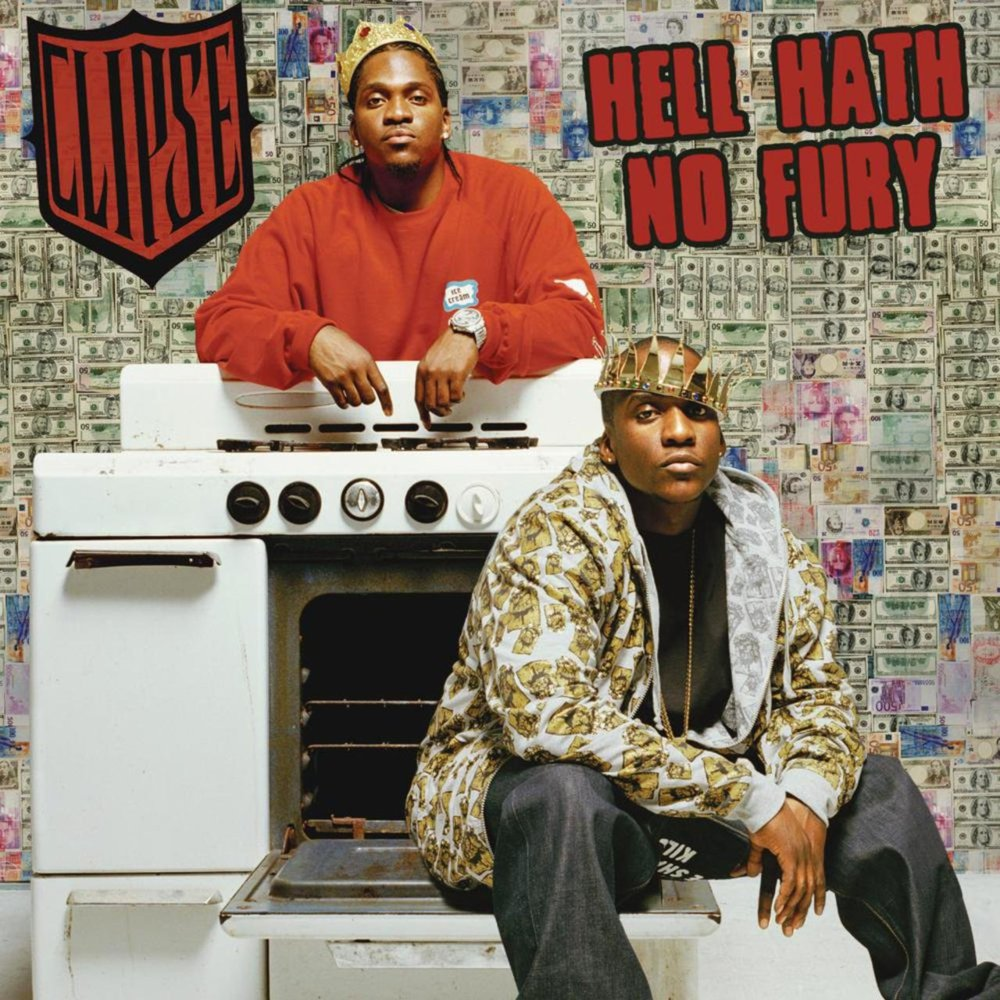
Virginia rap duo Clipse were on a mission with their second album. Slick rhymes and definitive proclamations, coupled with Pharrell’s signature production style, are all hallmarks of this classic hip hop record.
The brothers flex with effortless charisma with Ab-Liva on the 5th track, “Ride Around Shining,” that features some of their tightest bars and one of Pharrell’s most sinister beats. The gliding, icy pianos are as chilling as Pusha T on the chorus: “when I’m shoveling the snow man, call me frosty.”
And while they’re still cranking out big albums (including Mr. Fantano’s AOTY last year), there’s always something to come back to in Hell Hath No Fury. — Aaron Cousin
Girl Talk — Night Ripper
On first listen in 2006, you might have thought Greg Gillis, AKA Girl Talk, had simply made the coolest mix your homie ever burned onto a CD. In 2026, Night Ripper has aged into a perfect time capsule. Crack it open and you’ll find all the biggest hip-hop hits of the era sampled over unexpected indie and alternative tracks, often with dozens of songs packed into a single three-minute track.
Take “Too Deep,” which samples 17 songs, including Phantom Planet’s “California” (you know, The O.C. theme song), really the only show that mattered in the early aughts, with Paul Wall’s “Sittin’ Sidewayz” rapping over it. Truly beautiful.
It was called a mashup, and for a brief moment, they were all the rage, treated like some brand-new musical concept despite hip-hop having a long history of sampling. Night Ripper took that idea to an absolutely bonkers level, turning familiar songs into something completely new! – Ricky Adams
J Dilla — Donuts
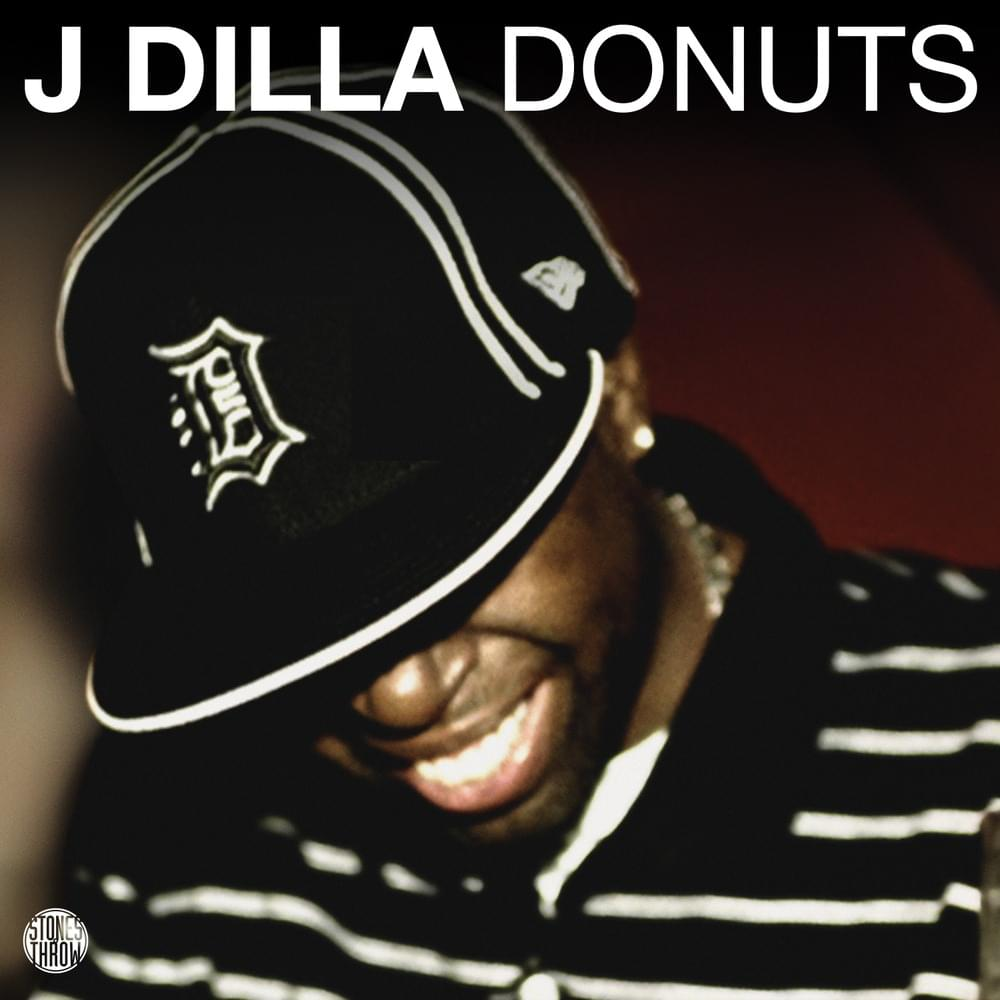
Donuts is a diverse magnum opus serving as the producer’s final statement to the world. Produced entirely from his hospital bed, James Dewitt Yancey (aka J Dilla) assembled 31 unique snippets, ranging from instrumental hip hop to soul, jazz, funk, and plunderphonics, rolled into one complete package, with only one track stretching past the two-minute mark (and two that are under one). This beat tape is built on experimentation, including a wide range of sounds and samples that transcend genre.
Even with some of the beats sounding unpolished or specifically designed not to rap over, Dilla's production choices are both left-field and within his wheelhouse. It was his final breath in music form, and he went all out. The headbangers like “The Diff’rence,” “Two Can Win,” and “The Twister (Huh, What?)” are soulful, nostalgic hip hop snippets that are part straightforward and freely experimental. The more serene and emotional moments like “Don’t Cry” have only aged better with time, even with the beat changing tempos multiple times in under two minutes. And by the time the closing track hits, Dilla is telegraphing his final message to his fans, collaborators, and the music community at large on the track “Welcome to the Show,” where the sample sounds like a chorus of voices repeatedly crying “Why Me?”
The journey that Donuts encapsulates is a freeform and wide-ranging experience, but one that is jam-filled with raw emotion. Its variety of inspirations is something to behold, but the emotional nerve it strikes with listeners is what makes this beat tape memorable and unique. — Jordan Goodman
Joanna Newsom — Ys
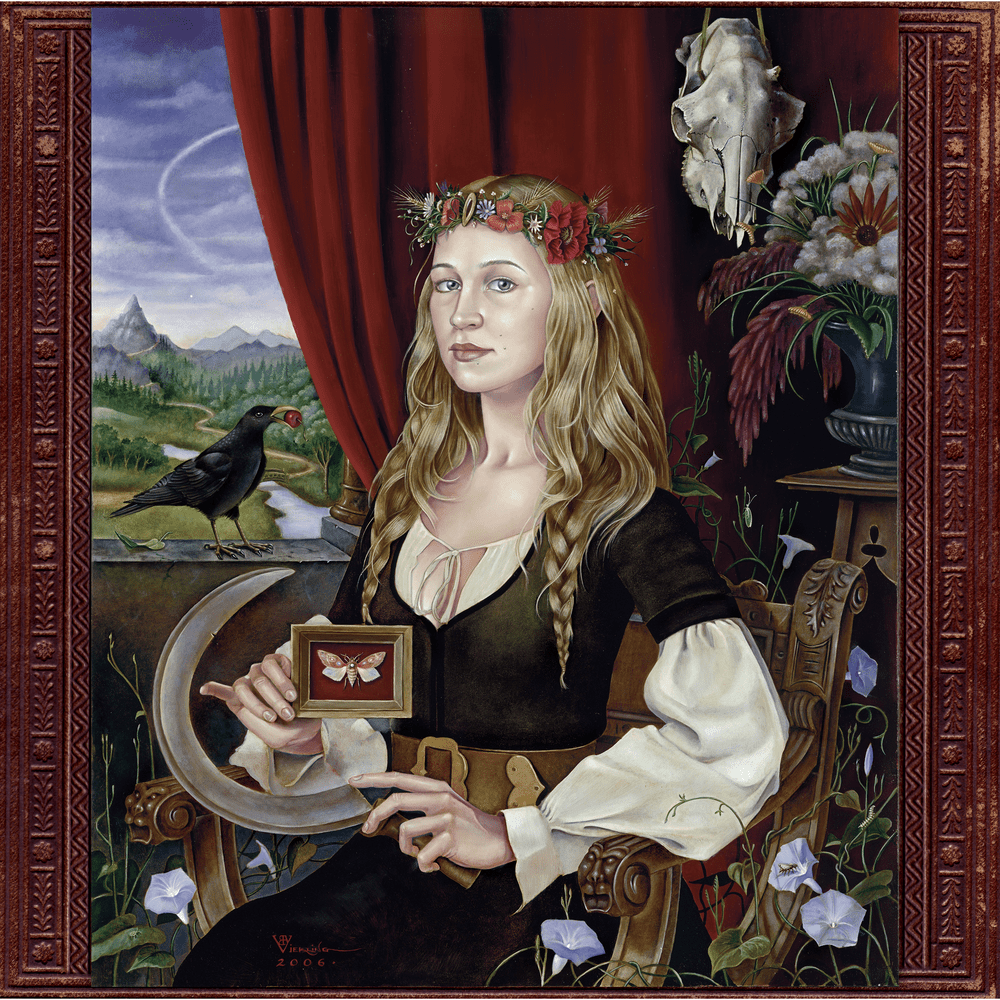
If you know me, it won’t be a shock to hear that I find Joanna Newsom’s second album Ys to be a complete landmark album of not only 2006, but of the aughts in general. (No shock it's one of the newer entries in Anthony's Classic Review series). The harpist, pianist, singer, and songwriter first turned heads in 2004 with her whimsical and layered debut, The Milk-Eyed Mender, even though her music was seen as divisive (mostly because of her unique, curlicuing caterwaul of a voice and knack for antiquated vocabulary).
But the insularity of the debut gave way to something of a grand scale on Ys, with five songs stretched over nearly an hour in length. Alongside dramatic and inventive orchestrations from none other than Van Dyke Parks, Newsom spins epic yarn after epic yarn, replete with an almost-unbelievable level of detail, an unimpeachable sense of imagery, and a poetic way with words that is something to behold. Any one of the songs — whether it’s the album-opening “Emily” in all its galaxy-facing wonder; or the deceptively sweet (but really very sour) animal allegory “Monkey & Bear;” or the 17-minute “Only Skin,” which flies gracefully through so many puzzling hallways — contains multitudes to marvel at.
Even surrounded by dozens of players, Newsom proved she was the real deal — a storyteller capable of combing the depths of the human experience, a masterful harpist and linguist, an artist out of time but never anything but present. — Jeremy J. Fisette
Justin Timberlake — FutureSex/LoveSounds
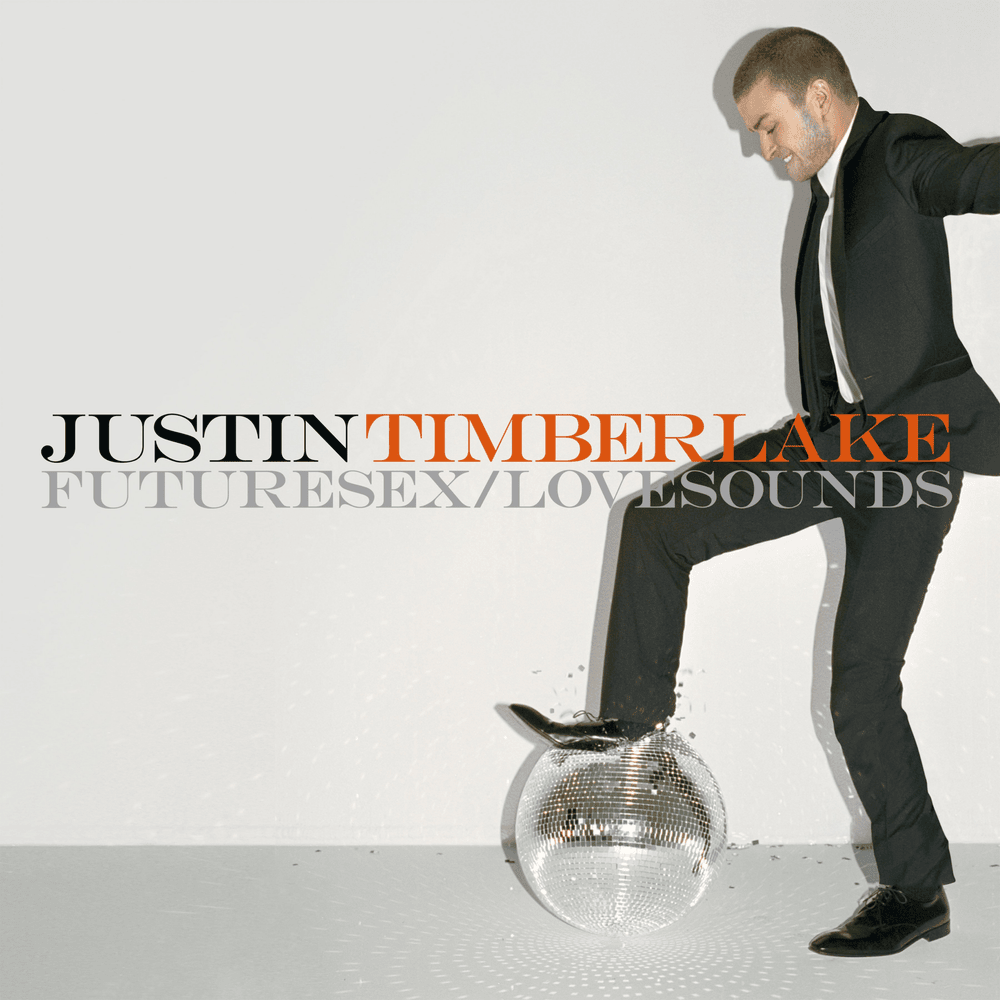
"Sexy never left", said Prince in response to Justin Timberlake and Timbaland's 2006 single "SexyBack," Timberlake's first to hit #1 in the Billboard Hot 100. But hadn't it? Apart from "SexyBack" and Timbaland's other ventures (like Nelly Furtado's "Promiscuous"), many of the year's biggest hits were sappy ballads like "Bad Day," "You're Beautiful," and "Unwritten".
But, at the hands of Timberlake and Timbaland, R&B and dance-pop gained a new dose of edge with FutureSex/LoveSounds, a lush, tightly produced and sharply written album which, even with its several interludes, doesn't deliver a dull moment. Timberlake's last couple of albums may have disappointed (along with a public persona that hasn’t always rubbed people the right wat), but he'll always be the one that gave us "What Goes Around… Comes Around." — Amanda Cavalcanti
The Killers — Sam’s Town
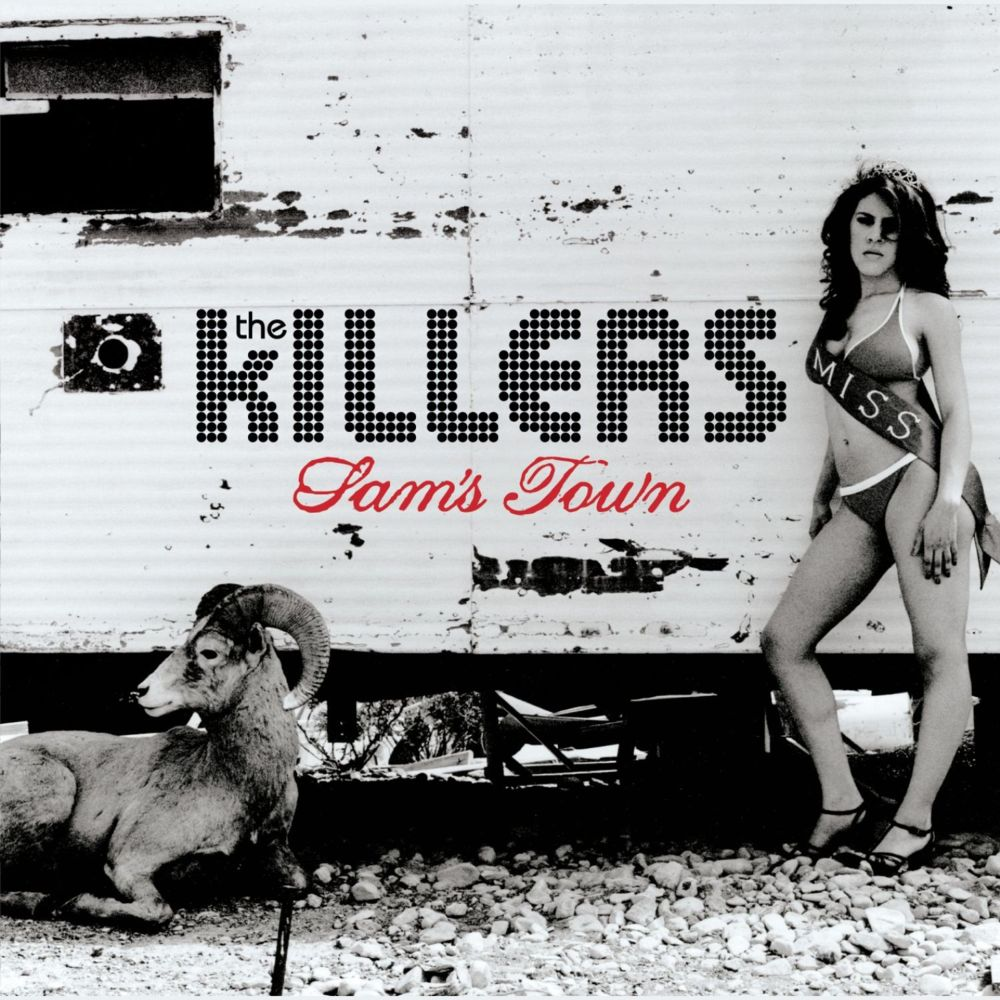
If Hot Fuss was The Killers filtered through British synth-pop and eyeliner, Sam’s Town was the sound of Brandon Flowers going back to his roots. Released in September 2006, the band’s second album traded the glossy new wave of their debut record for a more widescreen, heartland rock ambition with Springsteen-coded swagger, Vegas neon, and unapologetic bombast flowing through its ventricles.
Flowers has never been shy about the influences either; you can hear Bruce and U2 in the DNA of nearly every track. But the album filters them through Flowers’s own strange small town mythology. Name-checking the Nevada desert and casting the whole record in a confident hometown glow, critics were divided at the time. Some called it overreaching, others called it a triumph. Two decades later, it’s aged into a fan favorite, arguably the moment The Killers fully became themselves rather than a Britpop-adjacent curiosity. Dave Keuning’s guitars soar, Ronnie Vannucci’s drums thunder, and the choruses are hand-built for stadiums. It’s melodramatic, sincere, and completely unafraid of its own reach. — Matt Keenan
Mastodon — Blood Mountain
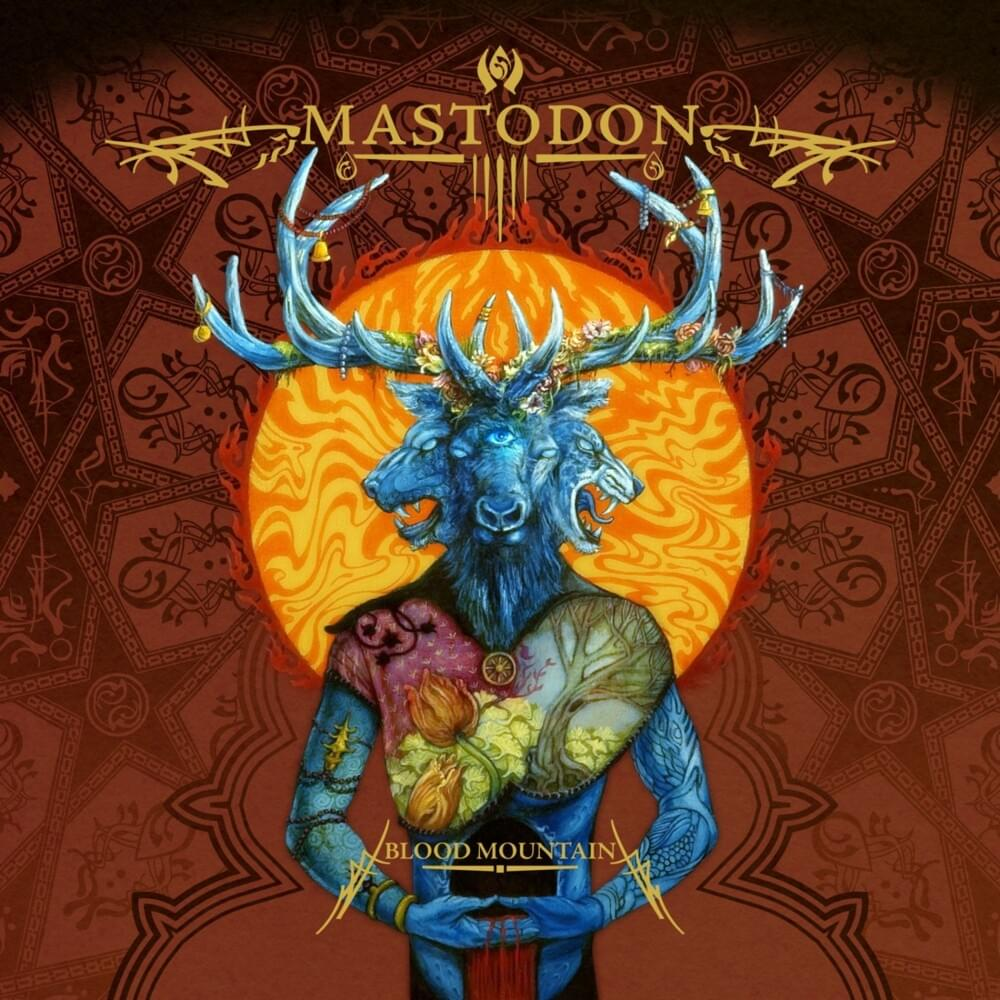
Uh oh, Mastodon sold out! They’re on a major label now! The second part may have been true after 2004’s Leviathan, since the band inked a deal with Sinatra-founded label Reprise, but the weirdness and ever-shifting savagery of Mastodon’s third album, Blood Mountain, kept the “sellout” tag at bay.
One-eyed sasquatches, birchmen, and other beasts are afoot on the titular peak, with our hero ascending to ultimately obtain the crystal skull. Closing number “Pendulous Skin” lets late lead guitarist Brent Hinds have the final word… without any words. Other highlights include the breathtaking lead guitar work on “Sleeping Giant” and “Capillarian Crest,” which refuses to let up until it slides into a melodic payoff – for not as long as you’d like, shifting back to the chaos of the climb a moment later. A few guest features decorate certain songs; the best is Josh Homme, who adds backing vocals on “Colony of Birchmen” (and does so again two decades later on “Snakes for Dinner,” off of Mastodon’s newest project, August’s Marrow Deep).
You might not find any ten-minute tracks of actual mastodon proportions on Blood Mountain, but progheads can’t miss this one. — Tyler Roland
My Chemical Romance — The Black Parade
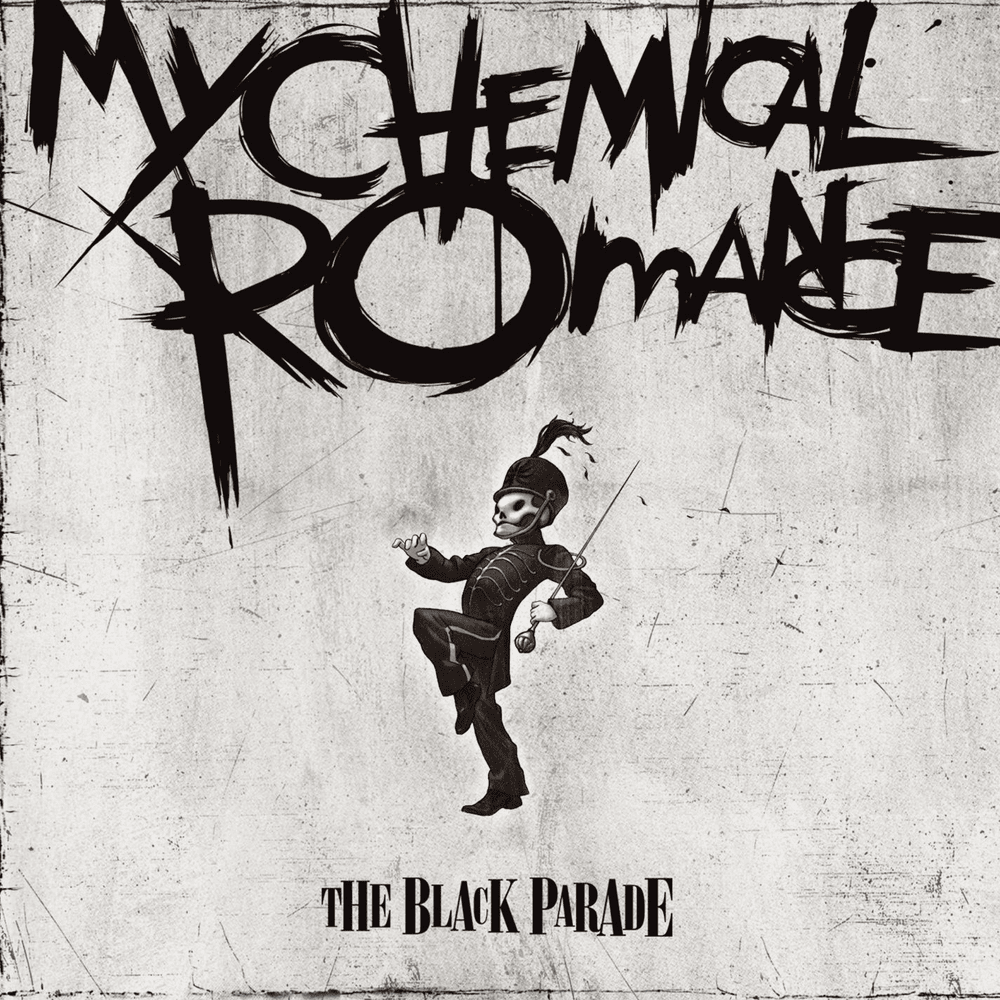
In 2006, My Chemical Romance followed in the footsteps of giants for their newest project, citing David Bowie’s Ziggy Stardust, Pink Floyd’s The Wall, and Queen’s A Night At The Opera as major influences. 20 years later, it’s safe to say they stand among these great concept albums thanks to what many consider their magnum opus and an era-defining rock opera, The Black Parade.
Arena-rock heavy-hitters such as the eccentric, chaotic cabaret of “Mama” and the anthemic “Welcome to the Black Parade,” with its sweeping guitars à la “Bohemian Rhapsody,” testify to the record’s musical prowess and longevity. But a key reason for its resonance with the current generation, and why it isn't outgrown by those who listened to it at its release, is its lyricism.
It depicted ideas of alienation, fear of breaking the norm, and gender identity with a more progressive lens than other contemporaries in the scene, while leaving blanks for your own experiences to fill-in, like on “The End.” (“So throw on the black dress, mix in with the lot / You might wake up and notice you're someone you're not / If you look in the mirror and don't like what you see / You can find out firsthand what it's like to be me”). And all of this paired with a will to push on through, such as on “Famous Last Words”: (“I am not afraid to keep on living / I am not afraid to walk this world alone”).
It’s simple but effective, and gels with their songwriting. It certainly puts into perspective why, since their reunion, the New Jersey act is selling out stadiums playing The Black Parade in full, with crowds of all ages chanting and having a cathartic moment with these songs. They were aiming to make a work that’s timeless, and they succeeded. — Daniel Gonçalvez Benitez
The Strokes — First Impressions of Earth
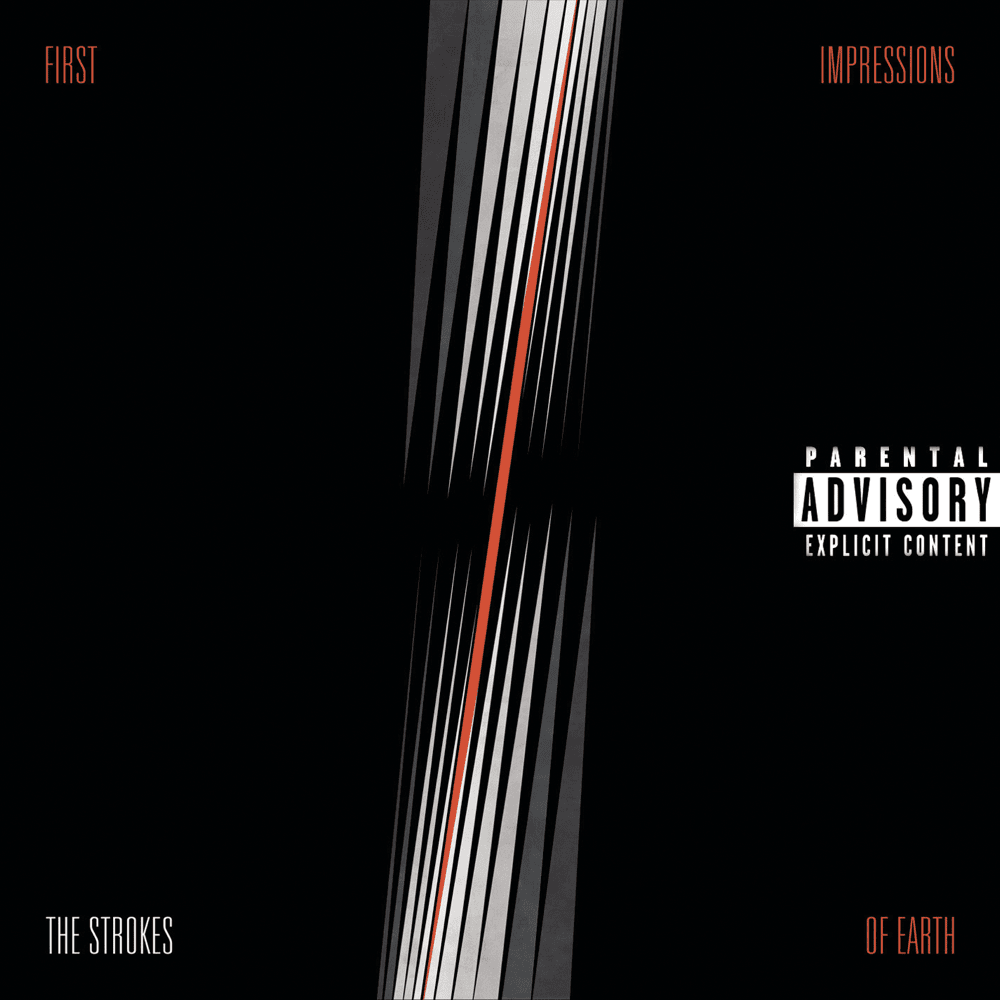
The Strokes had a nearly impossible task ahead of them with this record: to successfully follow up their game changing debut in 2001, Is This It, and their equally as good second effort in 2003, Room on Fire.
And while First Impressions of Earth never quite lives up to those impossible standards, the effort the New York outfit put forth was a worthy addition to their discography. Take the opener “You Only Live Once” as proof. Other than Julian Casablancas, who else could make a song with an eHarmony reference not only cool, but insanely catchy?
If the new album has tired you out, just come back here. It’s right here! — Aaron Cousin
Sonic Youth — Rather Ripped
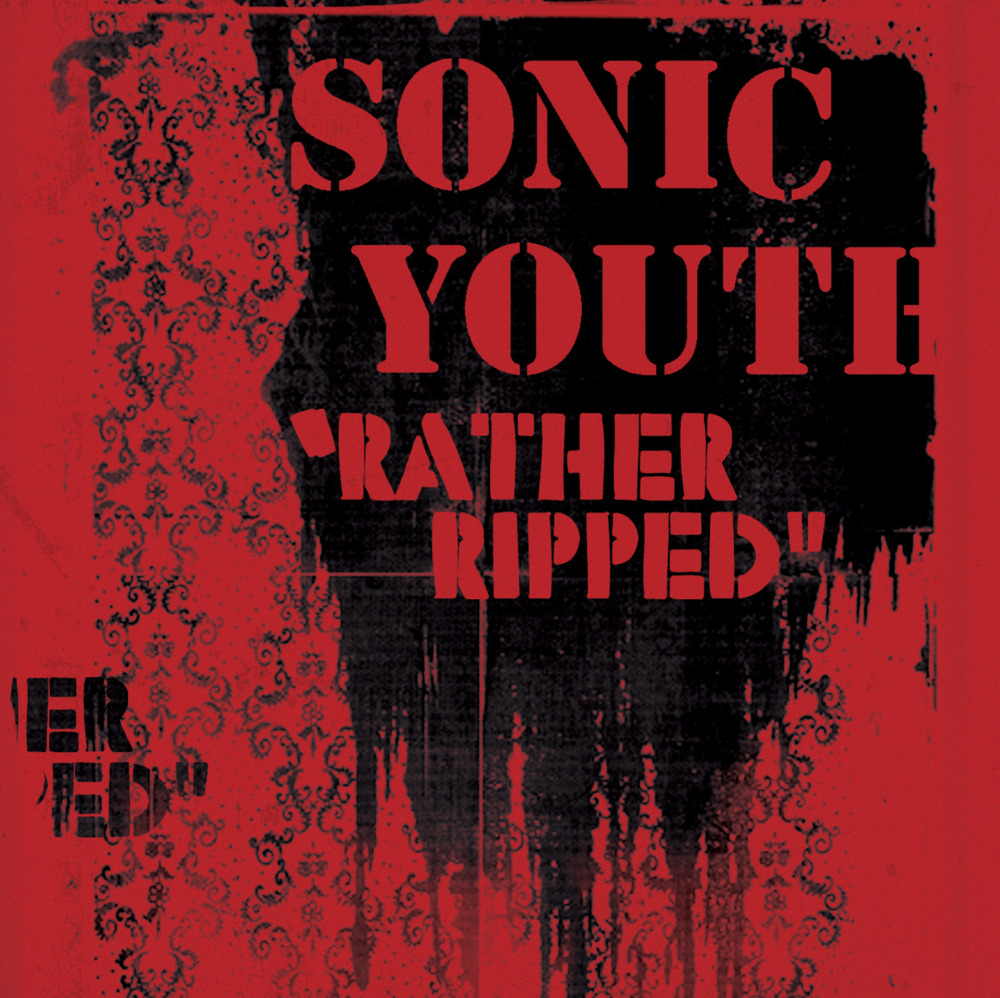
This is not a pop album. But it is a fun tease of what could’ve been from Sonic Youth, at least when the lead guitars on “Incinerate” begin to harmonize. Actually, even before that, when they jangle.
Thurston Moore and Lee Ranaldo had intertwined wonderfully for 20 years already and they were still getting started, finding pretty new pockets in a patented noise-rock template that turned vastly beautiful, nuanced, and sui generis around the time overexposure crept in. Steve Shelley remained an iron man behind the kit giving freewheeling improv a new-wave backbone made of railroad track. And even Kim Gordon, the greatest band in the world’s most iconoclastic member, developed a taste for simple, to-the-point melody on opener “Reena” before reverting back to her signature space-punk on “What a Waste” (“you’re so chaste / I can’t wait to taste your face”). The biggest surprises are two of Moore’s sexiest turns (“Lights Out,” and the unfortunately prescient “Sleepin’ Around”) along with two all-timer ballads(!): the Velvet Underground-esque “Do You Believe in Rapture?” and “Or,” which could have closed not just their last monumental album but their entire career.
Nothing’s ever simple with Sonic Youth, however, and they went on to make one more album, The Eternal, in 2009 before burning out. That’s a good one for the converted, one last tour of already staked-out territory. Rather Ripped is a great one for everyone, including and especially everyone who thought they couldn’t stand ‘em. But that doesn’t make it a pop album — Daniel Aaron
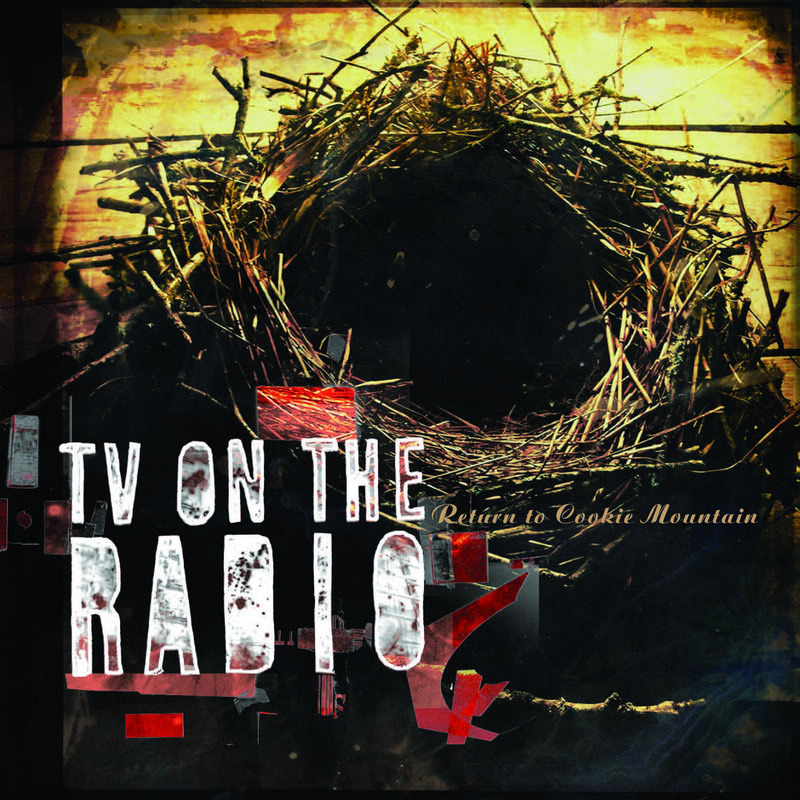
TV on the Radio — Return to Cookie Mountain
There have probably been tens of thousands of music performances on Late Night television. And out of all of those, there are a very select few that stood out so much that they are still watched, commented on, and shared years on.
TV on the Radio's Letterman performance of "Wolf Like Me" is one of those performances. The band's seminal sophomore record Return to Cookie Mountain came out in July of 2006, and garnered critical acclaim across many outlets. The band was lauded for their creatively orchestrated blend of art rock, jazz, hip hop, pop, soul, and more. The experimentation met accessibility for a blistering success of an album, which was then only further buoyed by the Letterman performance – which has, as of this writing, amassed 2.8M views – and exposed them to a wider audience, showcasing their work as just the right side of mystifying.
But the hooky and careening jolt of "Wolf Like Me," with Tunde Adebimpe's tuneful voice that can croon or yawp in equal measure, isn't the only banger on the record. From the daringly chaotic opener "I Was a Lover" with its clipped up horns and Kyp Malone's pleading voice, all the way to deeper cuts like the 8-minute closer "Wash the Day" which expands gleefully and noisily to a climactic conclusion – it all adds up to an organized and expertly played maelstrom of a record. It even has vocal assists from David Bowie and Blonde Redhead's Kazu Makino.
It's a varied album and yet somehow feels totally of a piece, not least of which due to the immense talents of this special band. – Jeremy J. Fisette
Various Artists — High School Music OST
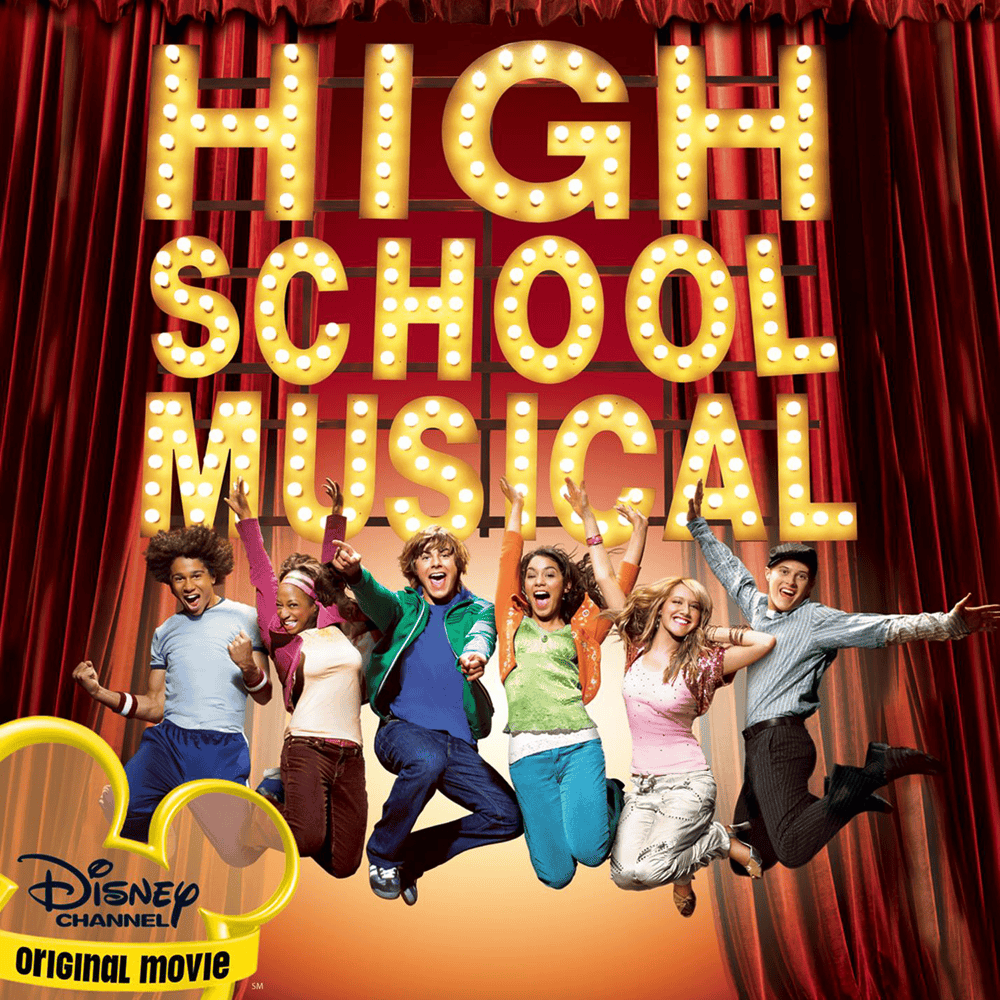
What makes High School Musical stand-out from the rest of this list, besides obviously being the silliest inclusion? Total cultural and economic dominance. The High School Musical soundtrack was the highest selling album of 2006, selling 3.7 million copies in the US and 7 million worldwide, ‘bop-bop-bopping’ to the top of the charts across the globe. It spawned two sequels, two spin-offs, one Olivia Rodrigo, an ice-skating tour, and a reported 4 billion dollars in merchandise sales in the first five years after release.
But after all this time, has the soundtrack held up? That depends. The instrumentals? No. The singing and songwriting? Yes. The entire soundtrack was recorded in five days, which is obvious by the quality of the instrumentals which sound like built-in presets on a cheap keyboard. But as a whole, it’s carried by the lovely chemistry of Troy (sung mostly by Drew Selley, with a little assist from Troy actor Zac Efron) and Gabriella (Vanessa Hudgens), and the fiery passion of on-screen siblings Ryan and Sharpay (performed by Lucas Grabeel and Ashley Tisdale). Get’cha head in the game kids; this one is still a banger. — Tony Le Calvez
Yo La Tengo — I Am Not Afraid Of You And I Will Beat Your Ass
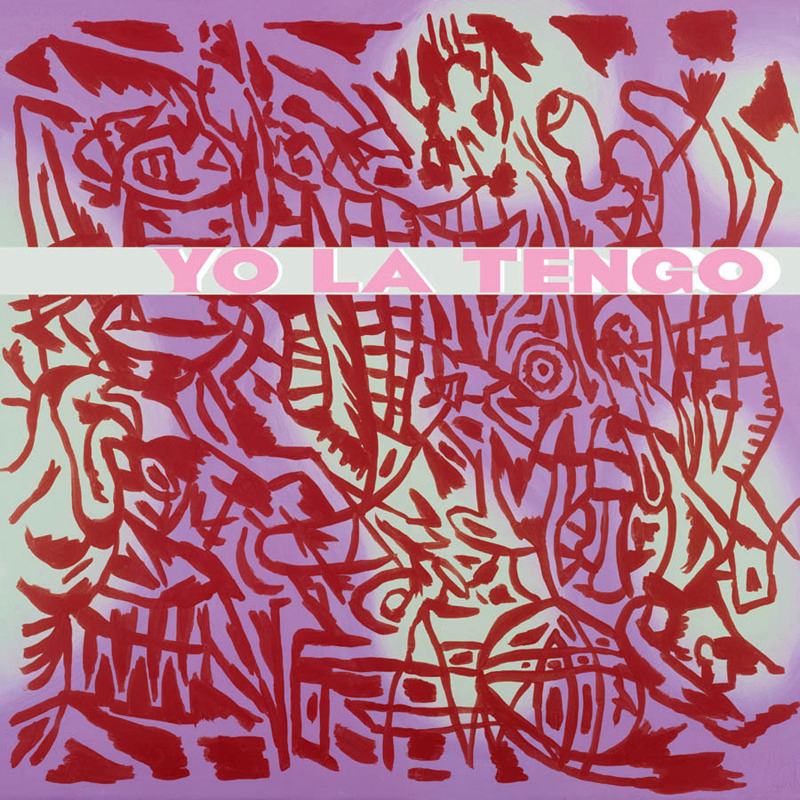
Maybe it's because the title is a threat of physical violence, but Yo La Tengo's twelfth album I Am Not Afraid Of You And I Will Beat Your Ass has become a bit of a hidden gem in their ever-expanding discography. Beat Your Ass sees the New Jersey outfit go balls-to-the-wall with some of their more raucous musical ideas.
Opener "Pass The Hatchet, I Think I'm Goodkind" is a near 11-minute suite of fuzzy guitar noodling and often indiscernible lyrics. "Mr. Tough" sounds like the bouncy, jazzy theme song of a Saturday morning cartoon that was never greenlit. "Watch Out For Me Ronnie" may as well have been a diner jukebox mainstay with bassist James McNew's Elvis-like vocal delivery. For a 77-minute-long album, Beat Your Ass is surprisingly well-paced, with the longer, more inaccessible tracks populating the record's bookends, and the gorgeous, fluttering nine-minute instrumental "Daphnia" acting as a palette cleanser right in the middle.
Is Beat Your Ass sonically disjointed? Sure, but that doesn't mean it's not a blast-and-a-half to listen to. — Leah Bess








What do you think?
Show comments / Leave a comment