
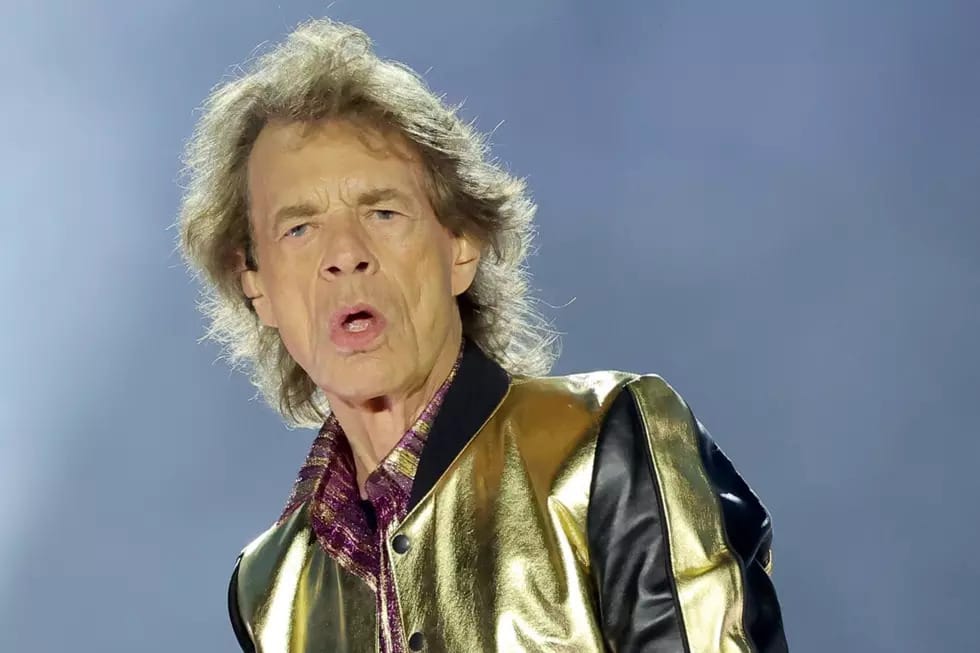
Mick Jagger has gone on the record regarding the music industry's ongoing AI debate.
Speaking with Billboard, the 82-year-old rock icon weighed in on the topic, making it clear that he is fine with artists using the technology as long as they're creating something new rather than copying existing artists.
Jagger drew a hard line when it comes to AI recreating the sound of The Rolling Stones, saying neither he nor his bandmates have any interest in having their voices or playing styles cloned by algorithms. "Obviously, I don't want to be imitated by AI, vocally and instrumentally, and the band doesn't." Jagger said. "People putting out stuff sounding exactly like us is obviously wrong."
While he opposes AI mimicry, Jagger stopped short of condemning the technology itself. Instead, he encouraged artists to use it as a creative tool, as long as the end result reflects their own ideas. "If someone wants to make music by AI, go ahead," he said, adding that the finished product should still be original and include "your own input and your own thoughts."
He also questioned why any genuinely creative artist would want to generate music in the exact style of another band.
Stones guitarist Keith Richards echoed those views, arguing that originality matters far more than technological capability.
"I'd rather hear something original," Richards said, acknowledging that AI may be capable of recreating music but questioning the point of doing so. "After all, it's pretty simple stuff, this is not Beethoven or Bach, and I've no doubt AI can do that, but so what?"
Richards said he'd rather hear fresh ideas than endless recreations, adding, "We want new input. We don't want more and more copying and synthesizing."
The comments come as AI continues to divide the music world, with artists increasingly speaking out over concerns about voice cloning, copyright, and the growing flood of AI-generated songs that sound suspiciously like established performers. While Jagger and Richards aren't rejecting the technology outright, they're making it clear that originality, not imitation, is where they believe the future of music should lie.


What do you think?
Show comments / Leave a comment