
Few things in life are more contentious than the emo cognoscenti arguing over what constitutes “real emo.” I’m no emo historian, but I’m well-versed enough to wade cautiously through each “wave” and its sub-subgenres. For whatever reason, the emo community is steadfastly combative, which always leaves me wondering: do other genres gatekeep as tightly as emo-heads do?
Without a doubt, there are important distinctions to bear in mind, such as the acute differences between mall-emo, emo revival, midwest emo, etc. But armchair emo critics are quick to go for the throat of those whose opinions differ even slightly from their own.
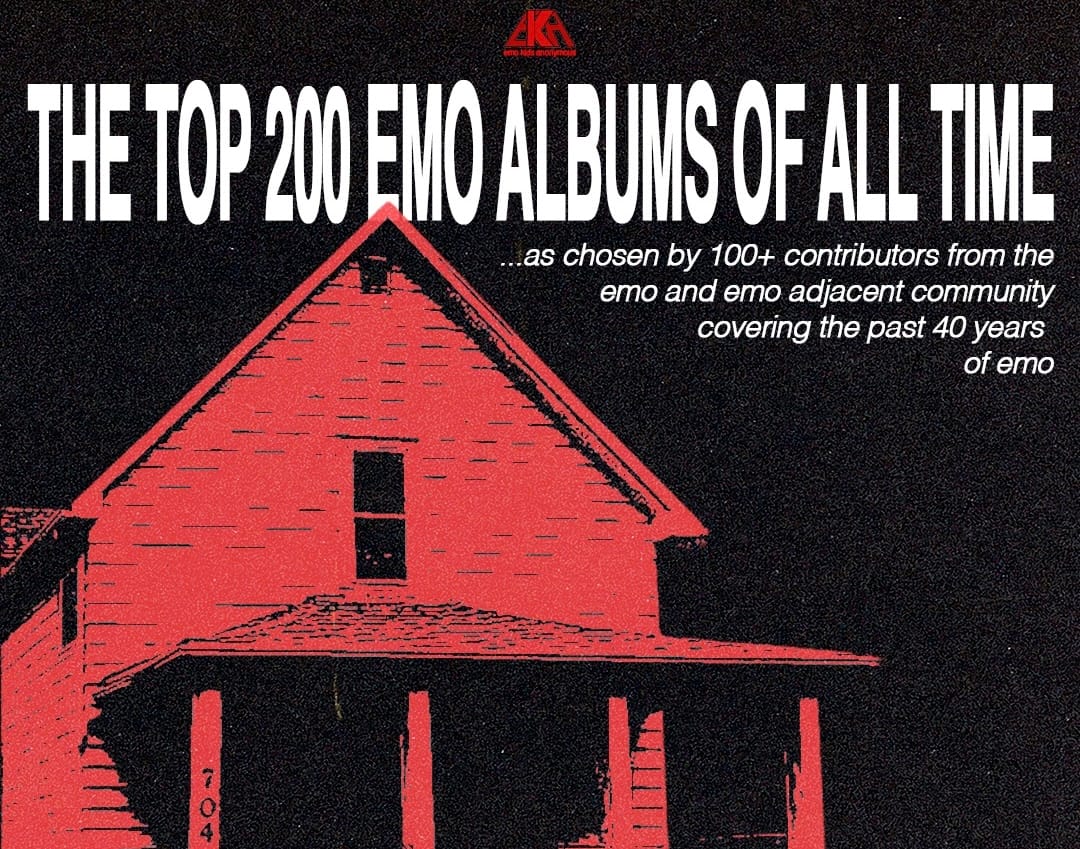
Emo Kids Anonymous, an emo-centered podcast, has now shouldered the brave and thankless task of compiling a list of the top 200 emo albums of all time, as voted by more than 100 emo tastemakers throughout the community. And it's not like there a lack of emo credibility: contributors range from Andrew Sacher (Ex-BrooklynVegan, Emo Revival); Dan Campbell (The Wonder Years, Aaron West and the Roaring Twenties); Chris Broach (Braid); Chris Teti (TWIABP); and JT Woodruff (Hawthorne Heights), to name a few.
EKA gave voters few restraints, simply asking them for their top 10 emo albums of all time. There were no rigid guidelines or parameters as to what a “real” emo album looks like – just whatever came to mind. Through a formulated scoring system, which you can find in detail on their website, 575 albums were nominated and ranked in terms of importance, impact, and necessity to emo at large.
Despite valiant efforts, though, the list is largely flawed, with many necessary albums overlooked and some questionable qualifiers making the final cut. But I’ve combed through the list to weigh in on some of its weird and unfortunate details, and to spotlight a few of the genre’s most essential records.
The Weird
EKA's point-based ranking system resulted in some odd landing spots for certain releases. Genre-defining albums from emo royalty like Rites of Spring, Algernon Cadwallader, and Cap’n Jazz find themselves ousted from the top ten.
Simultaneously, the list is littered with straight-up pop-punk albums. LPs like The Story So Far’s Under Soil and Dirt (#117) and Neck Deep’s Life’s Not Out to Get You (#194) make quizzical appearances that, even as someone fond of those releases, had me scratching my head. It underscores the longtime debate of whether or not emo and pop-punk exist as colleagues or adversaries. Other unabashed pop-punk groups like blink-182 and The Wonder Years make the list repeatedly, and more on-the-fence acts such as My Chemical Romance and Fall Out Boy do as well.
The narrow margin between the two genres exists because they’re undoubtedly cut from the same cloth. Both genres (which, if we’re getting into the weeds, are subgenres of rock themselves) have deep roots embedded in the punk and hardcore scenes of old.
The Unfortunate
Many fans will scan the list, notice that their favorite obscure emo record is missing, and rush to X to dismiss the entire list as the work of genre larpers. While I admire EKA for plunging themselves into this uncharted territory, there are some necessary albums that I’m gutted did not make the list.
Most glaringly, The World Is a Beautiful Place & I Am No Longer Afraid to Die’s 2013 debut LP Whenever, If Ever is nowhere to be found – an album that many argue is the pivotal emo revival record. Dads' American Radass and any release from the Everyone Everywhere catalog are dubiously absent.
Arm’s Length's most recent LP deservedly ranks 63rd, but their more impactful record, Never Before Seen, Never Again Found, did not make the cut. Each is a questionable omission, and any could be considered among required emo listening.
Lastly, many Run for Cover bands are sprawled throughout the list; however, there is zero mention of Basement. With other pop-punk and grunge-leaning acts like Title Fight and Turnover listed, you can take your pick between Basement’s I Wish I Could Stay Here or Colourmeinkindness, both of which are necessary emo-adjacent records that demand recognition. Also, Balance and Composure’s The Things We Think We’re Missing would like to have a word.
But Now for Some List Highlights...
Empire! Empire! (I Was a Lonely Estate) - What It Takes to Move Forward (#174)
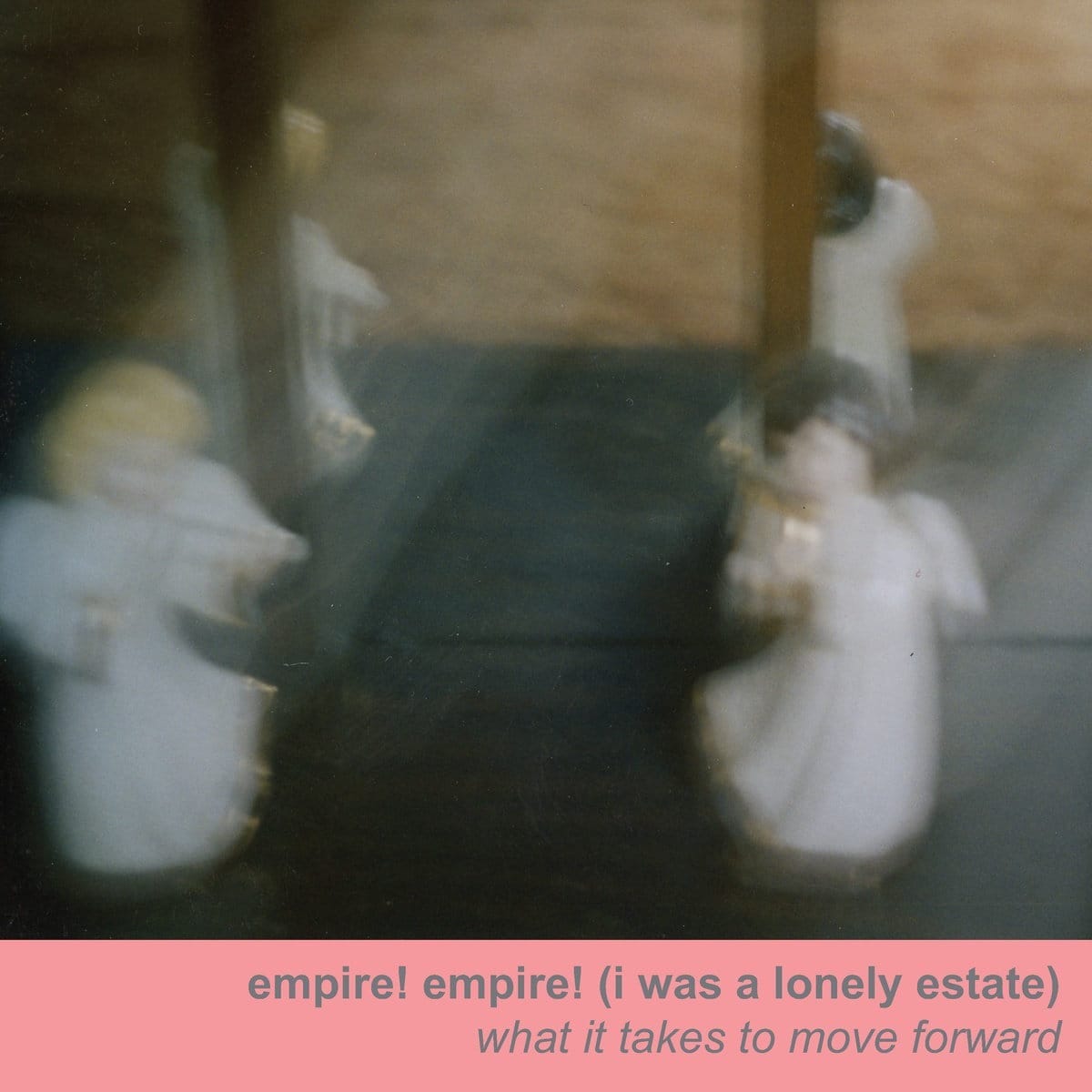
No one yearns harder than Keith Latinen. That’s saying a ton for a genre built off the nostalgia of breakups amidst fall semesters. The Michigan-based group dropped their debut album, What It Takes to Move Forward, in 2009 – right on the cusp of the emo revival. The record is widely regarded as one of the most pivotal in the genre as a whole, with Latinen’s narrative lyricism leading the charge. It’s what separates the group from other indistinguishable emo acts; their lyrics genuinely feel lived in, raw, and nostalgic for experiences you’ve never had.
Tigers Jaw - Tigers Jaw (#26)
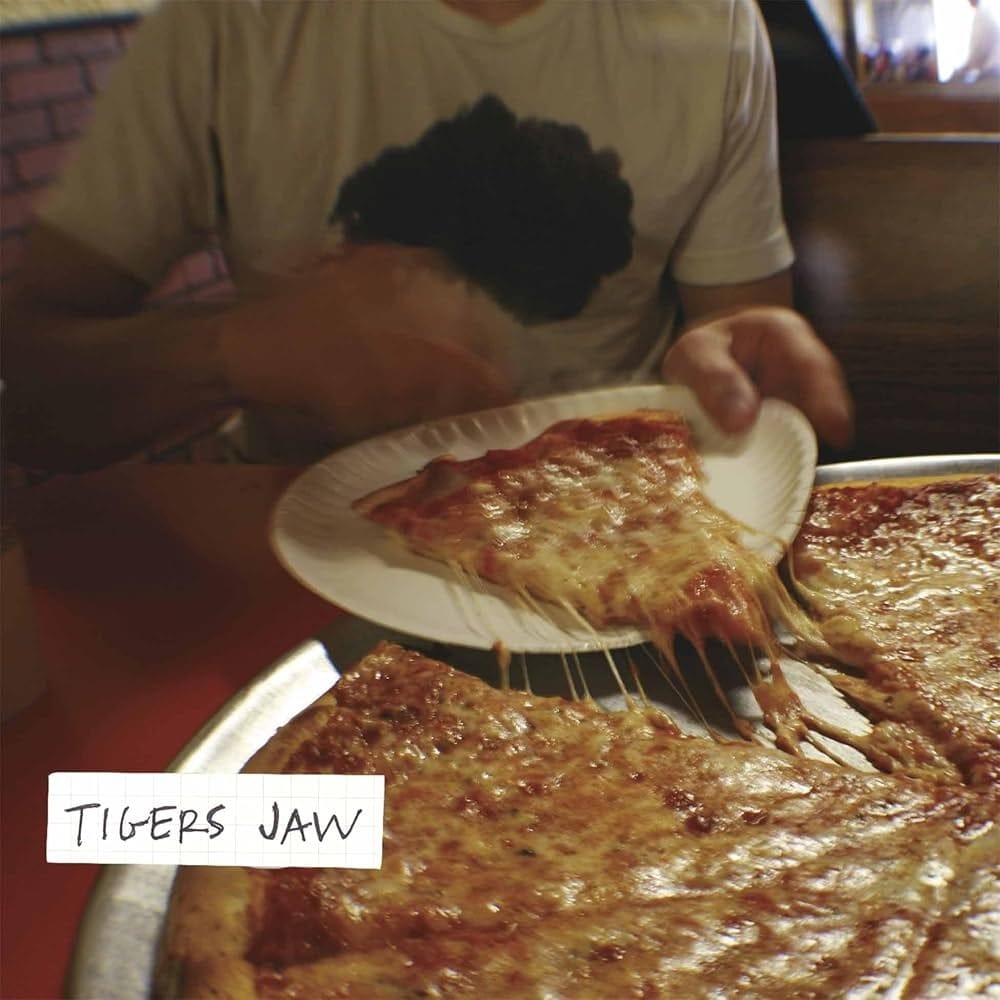
The Scranton natives were only teenagers when they wrote and recorded their 2008 self-titled LP. The youthfulness of the album is one of the deciding factors noted by former founding member Adam McIlwee for his sudden departure from the band. McIlwee claimed that he was no longer interested in performing songs that were written as an adolescent, which is entirely fair; however, the album has this lackadaisical quality to the songwriting that only teens could craft. It's evident in the stripped-down instrumentation of “Never Saw It Coming” or the chugging of meager chords in “Chemicals.” The lyrics, meanwhile, feel as though they were penned in the margins of a notebook during a dreary science class lecture. Unknowingly, the band at this time was laying the groundwork for pivotal emo revival touchstones within the Pennsylvania scene, as well as a star-studded Run for Cover roster.
The Get Up Kids - Something to Write Home About (#5)
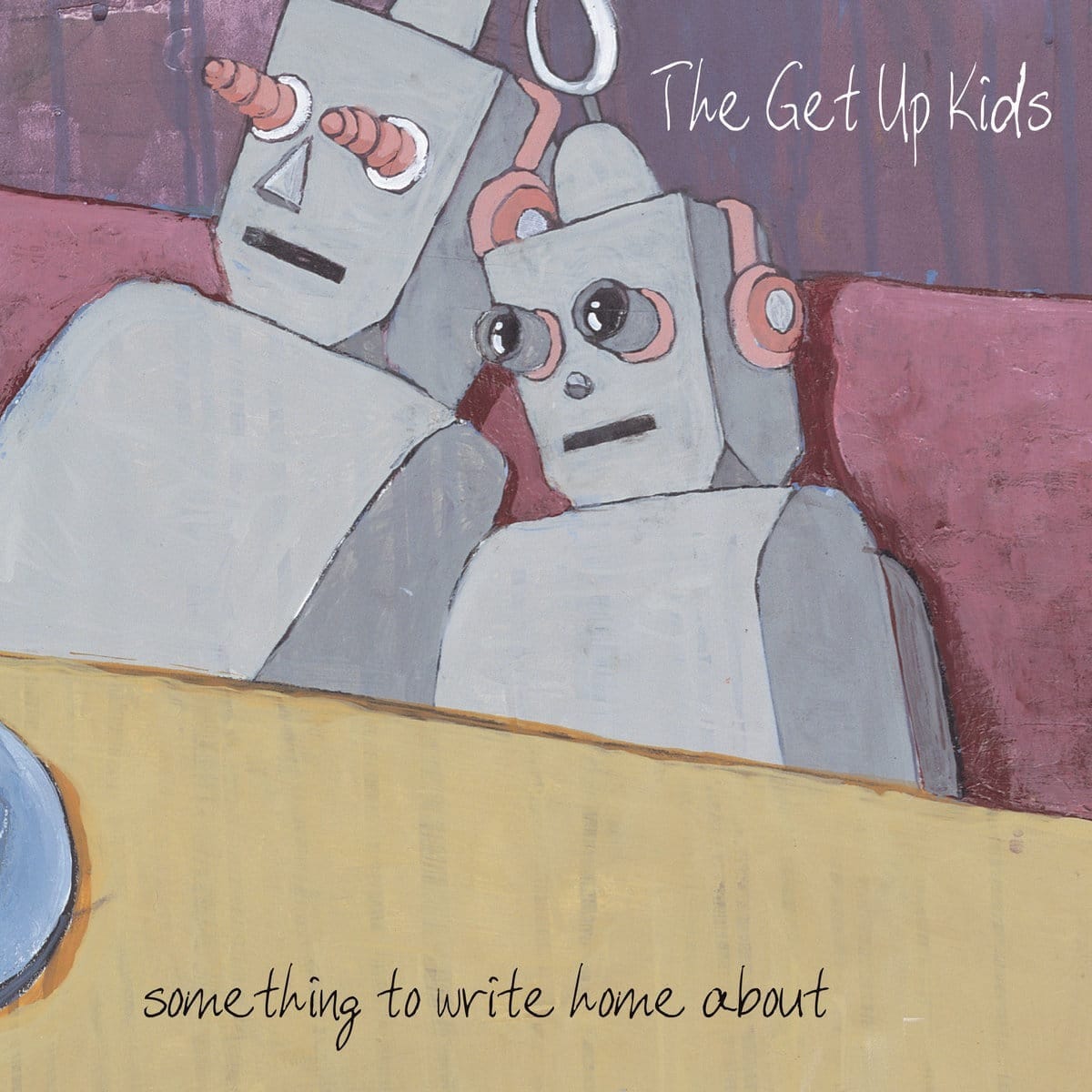
A scathing 2.0 from a 1999 Pitchfork review hardly kept The Get Up Kids from inspiring behemoth pop-punk/emo acts of the future. Frontmen such as Mark Hoppus and Dan Campbell have cited tracks from Something to Write Home About as major influences on their personal lives and music, both of whom went on to lead successful careers with their respective groups. It further begs the question: is this album emo or pop-punk?
Well, it’s widely regarded as both. The LP was released in September of 1999, a time when most bands were firmly on either side of the genre spectrum. The Get Up Kids combined the two styles, making for an infectious blend that withstood the test of time. Sadly, the band never reached the heights of their scene contemporaries, but their influence on the future of the genre cannot be understated.
The Hotelier - Home, Like Noplace Is There (#1)
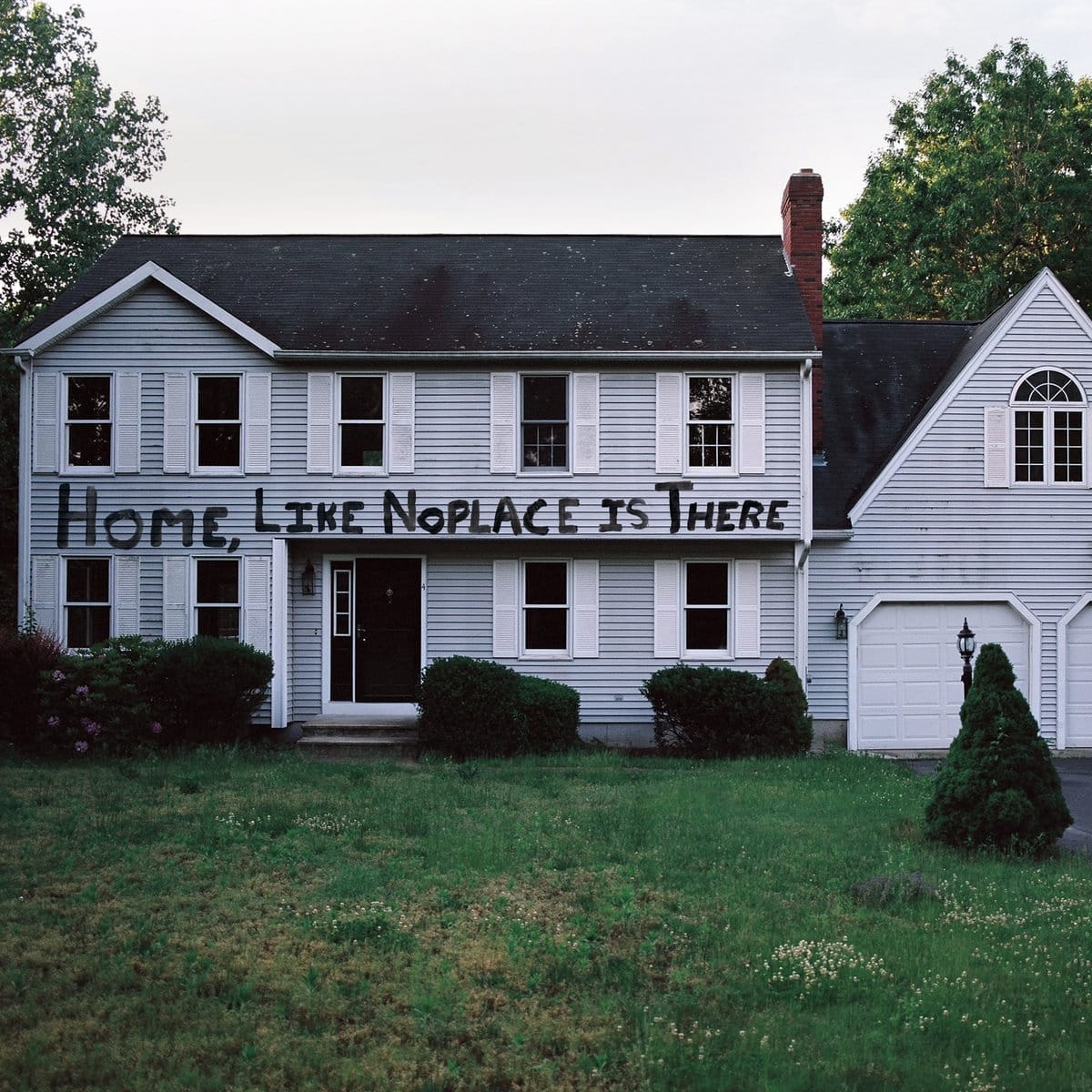
It was always going to be this one. The Hotelier pivoted hard from their pop-punk roots when crafting their 2014 sophomore record Home, Like Noplace Is There, even changing their band name from The Hotel Year along the way. It was an identity shift not only for the group, but for emo as a whole, as Christian Holden and co. turned genre tropes on their head, as apparent in the artwork that mockingly features a cliché house that we’ve seen grace the front of so many emo albums.
The monumental record reckons with themes besides breakups: survivor's guilt, gender identity, and generational trauma all join the conversation. The Hotelier did all this in a theatrically political way, truly combining the political unrest of punk music and the overspilling emotions of emo.
The Consensus
EKA recognizes that their list is skewed towards contemporary emo, a sign that the genre remains ever-evolving. Newer bands to the genre – namely First Day Back, Citrus Jr., and Holidays in United States – have been sparking an even newer emo revival, harkening back to the second wave style. None of them made this list, but will likely rule over future rankings.
EKA’s list, albeit imperfect, is not intended to be the definitive rankings of emo, but rather a love letter to the genre, both old and new. Much to the dismay of traditional emos, the consensus is that “real” emo is no longer confined to the D.C. emotional hardcore scene and the late '90s screamo scene; it has morphed into a melting pot of subgenres that pull from a wide range of inspirations.
Emo remains firmly rooted in its hardcore and punk ancestry, which harbor anti-conformist, anti-authority, and DIY-forward fundamentals. There's an irony that comes with watching the scene split hairs over a genre that's designed to exist without barriers.

What do you think?
Show comments / Leave a comment